Marketing
 March 27, 2025
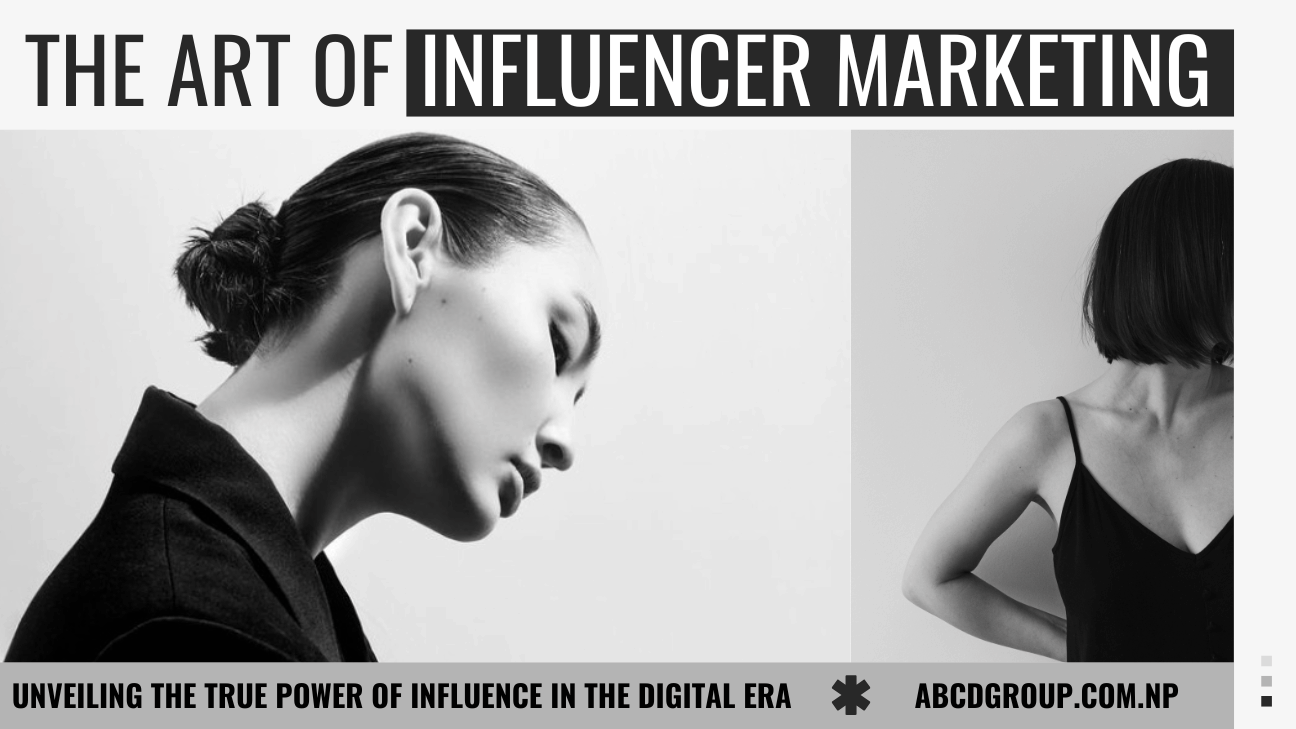
The Art of Influencer Marketing: Unveiling the True Power of Influence in the Digital Era
Influencer marketing isn’t just a buzzword anymore—it’s a game-changer. If done right, it can skyrocket brand awareness, drive insane engagement, and even boost sales. But let’s be real: not all influencer collaborations work. You’ve probably heard horror stories of brands spending thousands on influencers, only to see zero ROI.
So, how do you ensure your influencer marketing strategy is effective? Let’s dive into a data-backed approach to collaborating with influencers the right way.

What is an Influencer?
An influencer is someone who has the power to affect the purchasing decisions of others because of their authority, knowledge, position, or relationship with their audience. Influencers come in various sizes, from micro-influencers with niche followings to macro-influencers and celebrities with millions of followers
Wide Range of Influence
Influencers come in various forms, each playing a unique role in shaping consumer behavior. Understanding these categories will help brands choose the right influencer for their marketing strategy.
Large-Scale Influencers
These influencers, often celebrities or social media stars, boast a massive following that extends across multiple demographics and industries. Their wide reach makes them ideal for brand awareness campaigns, product launches, and mainstream appeal.
📌 Example: A-list celebrities and top YouTubers collaborating with global brands like Nike, Apple, or Coca-Cola.
Specialized Influencers
Also known as niche influencers, these individuals focus on specific topics such as fitness, fashion, tech, or gaming. They develop a deep connection with their audience, which results in higher trust and engagement rates.
📌 Example: A beauty influencer with 50K highly engaged followers recommending a skincare brand can lead to higher conversion rates than a celebrity endorsement.
Local Influencers
These influencers have a strong presence in specific geographic areas and are highly trusted within their communities. They are perfect for regional campaigns, small businesses, and events.
📌 Example: A popular Kathmandu-based food blogger promoting a new restaurant opening in Nepal can drive foot traffic and local buzz more effectively than a global influencer.

Influence Is Not Just About Popularity
Influencers are not just famous individuals; they are trusted voices in their areas of expertise. Their impact goes beyond social media numbers and celebrity status.
Influence Goes Beyond Fame
Many assume that influencers are simply popular figures with large followings. However, influence is more about credibility, expertise, and the ability to shape opinions than just fame. An influencer's success depends on their ability to build trust and engage their audience authentically.
Subtle Yet Powerful Influence
Not all influence is direct. Some influencers shape public perception in more subtle ways—such as promoting sustainability, advocating for mental health awareness, or shifting opinions on social issues. These influencers drive conversations and inspire gradual behavioral changes without explicitly endorsing products or services.
📌 Example: A travel vlogger who highlights eco-friendly destinations and promotes sustainable tourism without pushing specific products still influences consumer choices and travel behaviors.

Shaping Culture and Trends: How Influencers Drive Change and Help Brands
Influencers are much more than just endorsers of products—they are powerful drivers of cultural change and trendsetting. In the modern digital age, influencers are at the forefront of movements that redefine cultural norms, inspire new ways of thinking, and reshape consumer behaviors. Brands that recognize and tap into this power can not only increase their reach but also become part of cultural shifts, making their messaging resonate on a deeper level with their target audiences.
Influencers as Trendsetters
Influencers often lead the way by introducing new ideas, behaviors, and styles that their followers adopt and integrate into their lives. By being the first to embrace new trends—whether it's a fashion style, a new gadget, or a societal shift—they have the power to create a ripple effect that spreads across their follower base and beyond.
📌 Example: Sustainable fashion influencers are pushing the boundaries of the industry by popularizing eco-friendly clothing brands, influencing consumers to make more sustainable choices. They set the stage for eco-conscious consumerism, helping brands like Patagonia and Reformation reach a larger, environmentally aware audience.
For brands, collaborating with influencers who set trends can position them as forward-thinking and in tune with what’s coming next, helping them stay relevant and connect with audiences who appreciate innovation and progress. It’s not just about selling products; it’s about selling an idea that resonates with the future of society.
Cultural Influence Through Expression
Influencers have the ability to shape and redefine digital culture. Their social media presence isn't just a place for promoting products but a platform for new expressions of art, lifestyle, language, and communication. They influence the way people communicate, how they express themselves, and how they relate to the world around them.
For instance, influencers are creating new forms of digital expression through things like memes, viral videos, or even new slang terms. These expressions often gain traction across platforms, transcending the influencer’s personal brand to become part of global conversations.
📌 Example: TikTok influencers popularized viral dance challenges and trends, which not only shaped the platform's content but also led to widespread cultural shifts. Dance trends, such as the "Renegade," became cultural phenomena that even mainstream celebrities and brands participated in, creating a sense of inclusivity and community around the trend.
For brands, leveraging the cultural trends initiated by influencers can allow them to participate in relevant, timely conversations and align their products with the current zeitgeist. It’s a chance to showcase the brand’s cultural relevance and creativity.
Influencers and Social Movements
Influencers are no longer just promoting products—they are also leading conversations about social justice, mental health, environmental sustainability, and other important causes. They use their platforms to champion issues and rally their audiences around shared values. This makes influencers key players in changing the social and political landscape.
📌 Example: Activist influencers like Greta Thunberg or those focusing on mental health, such as influencers advocating for self-care and therapy, play a major role in driving cultural awareness and societal shifts. Their influence sparks movements that challenge traditional norms and encourage new forms of thinking, acting, and living.
For brands, associating with influencers who advocate for causes aligned with their own values can strengthen their brand’s identity and make them appear more socially responsible. Consumers, particularly younger generations, are increasingly prioritizing brands that take stances on relevant social issues, and influencer collaborations can help elevate these messages in a way that feels genuine.
Why Brands Should Leverage Influencers Shaping Culture and Trends
Influencers provide brands with a unique opportunity to tap into cultural currents that are shaping society. Instead of just selling a product, brands can integrate themselves into conversations and movements that resonate deeply with their target audiences. This connection can enhance brand loyalty, increase trust, and make marketing campaigns feel more authentic.
Here’s how brands can benefit:
-
Increased Brand Affinity: When your brand is associated with a trend or cultural shift that resonates with consumers, it helps build a deeper emotional connection. People are more likely to support brands that reflect their values or lifestyles.
-
Broader Reach: Influencers can bring your brand to new and diverse audiences who may not have heard of you otherwise. By tapping into niche communities or even global movements, you can expand your brand’s visibility and impact.
-
Enhanced Relevance: Brands that align themselves with the cultural trends and causes influencers promote stay relevant in the eyes of consumers. Whether it’s eco-conscious living, social equity, or digital creativity, aligning with the right influencer can give your brand a more contemporary and forward-thinking identity.
By strategically collaborating with influencers who shape culture and trends, brands can tap into more than just product promotion—they can align themselves with the values, behaviors, and ideologies that are driving change in society. This not only creates more meaningful engagements but also sets the stage for long-term loyalty and influence in the marketplace.
Why Influencer Marketing Works (Backed by Data)
Influencer marketing isn’t about vanity metrics—it’s about trust and authenticity. According to a 2024 Nielsen study, 92% of consumers trust influencers more than traditional ads. That’s huge! People are more likely to buy from recommendations they see on social media rather than from a billboard or TV commercial.
Key Stats You Can’t Ignore:
Businesses make $5.78 for every $1 spent on influencer marketing (Influencer Marketing Hub, 2023).
71% of marketers say influencer partnerships drive higher-quality leads than other marketing channels (HubSpot, 2023).
Micro-influencers (10K-50K followers) have 3x higher engagement rates than mega influencers (1M+ followers) (Socialbakers, 2023).
Clearly, influencer marketing is a goldmine—but only if executed with a well-planned strategy that prioritizes authenticity, audience alignment, and measurable outcomes.
Step 1: Define Your Goals (And Be Specific)
Before reaching out to influencers, you need to nail down your objectives. What’s your endgame? Common influencer marketing goals include:
Examples of Clear Goals:
✅ Increase brand awareness (e.g., 50K+ impressions on Instagram)
✅ Drive sales (e.g., 10% increase in revenue from influencer traffic)
✅ Boost engagement (e.g., 5K+ likes, shares, and comments on a post)
Case Study: A DTC skincare brand partnered with 50 micro-influencers on TikTok. The result? A 243% increase in website traffic and a 38% boost in sales within three months. Why? Because they focused on micro-influencers who had an engaged audience, not just big follower counts.
Step 2: Find the Right Influencers (Not Just the Biggest Ones)
Many brands make the mistake of chasing celebrity influencers. But bigger doesn’t always mean better. Here’s how to find the right influencers:
Key Factors to Consider:
🔍 Audience Alignment: Does their audience match your target market?
📊 Engagement Rate: Are their followers actively engaging? (Aim for 2-4%)
🔄 Content Quality: Is their content authentic and well-produced?
🚫 Fake Followers: Use tools like HypeAuditor or Modash to detect bots.
Pro Tip: Micro-influencers (10K-50K followers) often have higher trust and engagement than macro-influencers (500K+). A study by Markerly found that influencers with less than 1,000 followers had an 8% engagement rate, while those with over 10 million had just 1.6%.
Step 3: Build a Win-Win Collaboration (Not a One-Time Deal)
Too many brands treat influencers like one-time ad placements. Wrong approach! The best influencer partnerships are long-term relationships that feel natural.
Best Practices for Successful Collaborations:
🤝 Give Creative Freedom: Influencers know their audience better than you do. Don’t micromanage their content.
💰 Offer Competitive Compensation: Free products aren’t always enough. Budget for fair payment.
🎯 Use Performance-Based Deals: Consider affiliate commissions or bonus payouts based on engagement.
📅 Plan Multi-Touch Campaigns: One post isn’t enough. Aim for ongoing collaborations.
Case Study: A fashion retailer switched from one-off influencer deals to long-term ambassador programs. The result? A 65% increase in repeat customers and an 82% increase in brand mentions over six months.
Step 4: Track, Measure, and Optimize
Influencer marketing isn’t a set-it-and-forget-it strategy. You need to track performance and tweak your approach.
Key Metrics to Monitor:
📈 Engagement Rate: Likes, comments, shares, saves.
📊 Reach & Impressions: How many people saw the content.
💰 Conversion Rate: Sales generated through influencer traffic.
🔗 UTM Links & Discount Codes: Track influencer-specific conversions.
Pro Tip: Use platforms like Google Analytics, Instagram Insights, or third-party tools like Brandwatch to measure ROI accurately.
Conclusion: Make Influencer Marketing Work for You
Influencer marketing isn’t just about throwing money at big names—it’s about strategic collaborations that drive real results. By setting clear goals, choosing the right influencers, fostering genuine relationships, and tracking performance, you can create a powerhouse influencer marketing strategy that actually converts.
Influencer marketing is an essential part of modern digital marketing. By carefully selecting the right influencers and aligning them with your brand’s values and goals, you can significantly boost your brand’s visibility, credibility, and sales.
At ABCD Group, we specialize in influencer marketing strategies that help brands connect with the right voices in their industry. Our team works with influencers across various niches to ensure that your brand message resonates with your target audience, whether you're aiming for wide-reaching campaigns or niche-specific promotions.
We handle everything from identifying the right influencers, negotiating collaborations, to measuring ROI and ensuring that your campaign achieves the results you’re looking for.
Let us help you turn influencer partnerships into a growth strategy. Reach out to ABCD Group today and make influencer marketing work for you!
Related Blogs
Marketing
March 24, 2025
Social Media Marketing Strategy: A Step-by-Step Guide for Businesses
In today’s digital landscape, social media marketing is no longer optional—it’s a necessity for businesses looking to thrive online. With billions of active users across platforms like Facebook, Instagram, LinkedIn, and TikTok, having a strategic social media presence can significantly boost brand a...
Marketing
March 23, 2025
How to Build a Strong Brand Identity for Your Business in Nepal
In today’s competitive business landscape, a strong brand identity is more important than ever. It’s what differentiates your business, helps build trust with customers, and creates an emotional connection. In Nepal, where the market is rapidly evolving with a growing digital presence, having a uniq...
Marketing
March 23, 2025
Top Digital Marketing Trends in 2025: What Your Business Must Adopt
The digital marketing landscape is constantly evolving, and 2025 is set to be a game-changer. With AI-driven innovations, hyper-personalization, and immersive experiences taking center stage, businesses must stay ahead of the curve to remain competitive. At ABCD Group, we specialize in leveraging th...
Marketing
March 23, 2025
Branding vs. Marketing: What’s the Difference and Why It Matters - ABCD Group
In the world of business growth, branding and marketing are often used interchangeably. However, they serve different purposes and play unique roles in a company's success. Understanding the distinction between the two can help businesses build a strong foundation for long-term success. In this blog...
Contact Us
Ignite your brand’s potential. Connect with ABCD Group and let’s create desire together.
Office Visit
Phone Number
+9779851341262

Email Address
info@abcdgroup.com.np

Location
Kupondole, Lalitpur




© 2025 ABCD GROUP. All rights reserved.